



Need resources for your patients?
We provide a range of helpful information sheets and checklists about sleep and circadian health. You can order them easily online via our forms portal.
Sleep and Circadian Health in Neurology
Living with A Neurologic Disorder Doesn’t Hit Snooze!
It is easy to believe that experiencing sleepiness is just the consequence of taking antiseizure medication, or the uncomfortable feeling in the legs is just the residual of a recent MS flare. However, it is hard to ignore that up to 80% of people living with a neurologic disorder have a sleep-wake or circadian problem as a result of the neurologic disorder. Not a comorbidity but part of the specific neurologic morbidity. It is a call to action and opportunity to respond with further optimization on neurology care.

Whether you are a clinician or a patient, we want you to own all 24 hours. Sleep and circadian factors are relevant neurologic clues to optimize a better understanding of the burden of disease, and they also represent novel treatable targets.
Let’s stop falling asleep on the opportunity for brighter days ahead.
Don’t Know Where to Start?
You Are Not Alone.
Did you know that, despite 90% of US neurology training programs now offering sleep rotations as an option, the average educational exposure is only 4.75 hours per year? Don’t let this educational gap be the barrier that limits how you can “OWN ALL 24 HOURS”. This is why WSCN exists.
We are here to help bridge the gap between day and night as the global “KNOWLEDGE HUB” driving impact by translating cutting-edge sleep and circadian science into practical tools that empower people to sleep better, live better, and thrive across all 24 hours.
WSCN CPAP Programs
Helping Sleep Apnea Patients
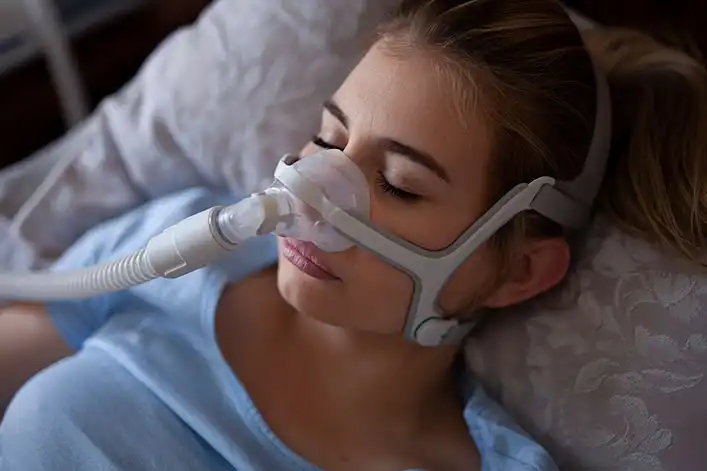
If you have a patient with a diagnosed sleep-related breathing problem who needs help with their PAP therapy, we may be able to help.
We offer a Peer Mentorship Program to new CPAP users to help them get the most out of their therapy. We also offer a CPAP Assistance program that delivers low-cost CPAP machines to people experiencing financial barriers to treatment.